
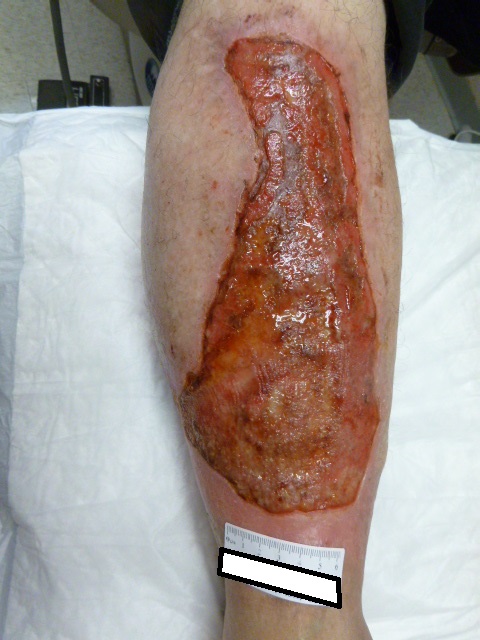
Epidemiology of CVI and VLU Ulcers associated with chronic venous insufficiency (CVI) are the most common treated in physician offices and wound care centers. Lower extremity venous disease affects 7 million people in the US and is associated with 1 million ulcers every year. The peak incidence for CVI, and thus venous leg ulcers (VLU), is between ages of 60-80. Females have a higher predilection for the development of VLUs than men. VLUs are also associated with a shockingly high recurrence rate ranging from 57-97% Venous anatomy Deep system Anterior / posterior tibial and peroneal Superficial system Greater saphenous/Lesser saphenous Perforators Connects the superficial to the deep system 2/3 of patients with CVI and leg ulcers have incompetent perforator as the root cause. 1 way valves promote unidirectional flow Perforators and their competency prevents “reflux” from the deep venous system into the superficial venous system Drivers of blood flow Smooth muscle tone of the venous wall Gastrocnemius and soleus muscle pump Negative thoracic pressure during inspiration CVI/VLU risk factors Obesity Pregnancy Thrombophlebitis Trauma Inherited thrombophilias Sedentary lifestyle Prolonged standing Paralysis Arthritis Advanced age Altered gait Edema Worst with dependency and improves with elevation Chronic edema can become “brawny” or non-pitting Typically located between the ankle and knee Dermatological features of CVI Hemosiderosis Discoloration of the skin due to extravasated RBCs and release of hemosiderin Varicocities Varicose veins and telagectasias Corona Phlebectatica (malleolar flare) Sunburst pattern of visible capillaries Atrophie blanche Looks like healed scars High risk for ulceration to occur Lipodermatosclerosis Fibrosis of the soft tissue due to long-standing venous disease Causes a “champagne bottle” deformity Venous dermatitis Occurs in a gaiter distribution Scaly, crusty rash with intense itching Can resemble cellulitis
Leave a Reply