
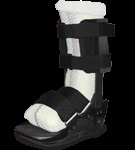

It is well known in the wound care community that total contact casting is the gold standard for offloading of the diabetic plantar foot ulceration. Total contact casting reduces the plantar foot pressure and strain on the wound bed. Recently a multidisciplinary panel of experts convened and created a consensus guideline on the offloading of the diabetic plantar foot ulcer. One interesting and notable statement noted that there is a “gap” between the evidence supporting the efficacy of diabetic foot ulcer offloading and what is actually performed in practice (1).
Despite the preponderance of evidence, there exists a practice gap in for use of TCC for offloading of the plantar diabetic foot ulcer (2). Many hurdles to the use of TCC have been identified and some over the more common concerns are listed below.
TCC hurdles:
- Patient tolerance
- Time to apply
- Supplies and cost
- Reimbursement issues
- Customization issues
- Methodology/training
- Clinician coverage
- Ancillary equipment
Initial patient apprehension to the use of TCC is common and in most cases a fairly easy concern to handle. Encouragment and reinforcement of the importance of offloading is often enough to get the patient on board with casting. Time is always a concern but with newer casting technologies this factor is becoming less of a valid argument against the use of total contact casting. As far as supply cost and reimbursement issues are concerned, the total contact cast is relatively inexpensive technology and has been proven to actually decrease the total cost of care in the management of diabetic foot ulceration (3). Other valid concerns include issues with customization, training of staff and clinicians.
Is total contact casting something that you are currently using in your clinic? What do you find are the common barriers to implementation in your particular setting? Why is it so hard to close the treatment gap?
Leave a Reply