
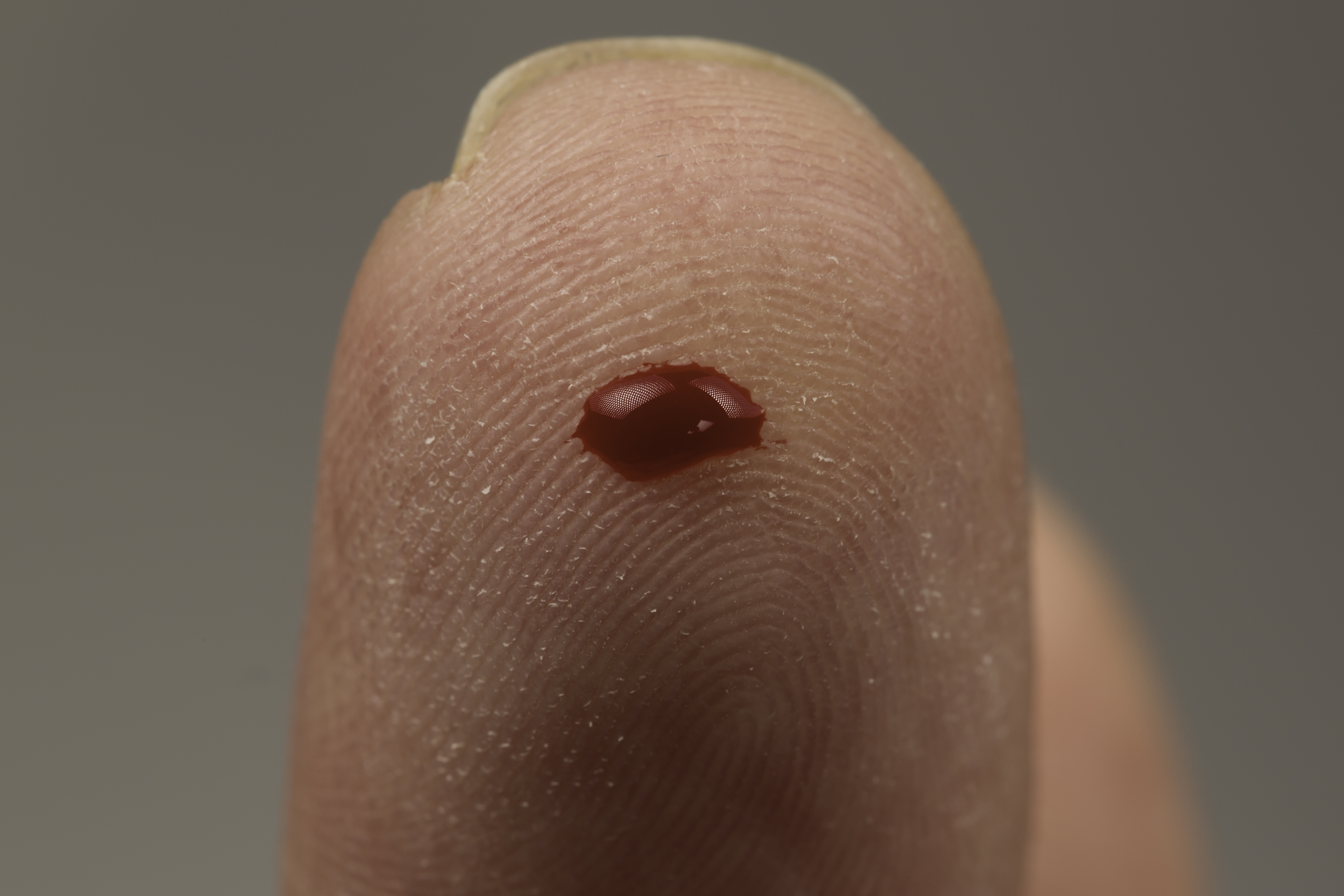

Rather than focusing on a wound care topic this week I think it’s important to look at some of the new prevalence data that was recently published in this weeks Journal of the American Medical Association. The September 15, 2015 edition of JAMA has 2 separate articles focusing on diabetes mellitus. One looks at the updated prevalence data and trends in United States and the other is a review on the advances in diagnosis and treatment. As diabetes represents the primary underlying risk factor for the majority of patients seen in my wound care center, comprising approximately 80% of the patients that walk through the door, I think understanding the prevalence data and the new ways that the diagnosis is being made and that diabetes is managed is essential.
New thresholds for diagnosis including the recent adoption of hemoglobin A1c as a diagnostic criteria I think is critically important. In the initial evaluation of the wound care patient and is not uncommon to make a de novo diagnosis of diabetes mellitus in addition to fasting plasma glucose and the oral glucose tolerance test, hemoglobin A1c adds a simple and sometimes point-of-care test for the diagnosis of diabetes.
In addition to new diagnostic testing there are also a wide variety of new agents on the market for the management of diabetes, each with their own benefits and limitations. New novel mechanisms of action including dipetidyl peptidase 4 (DPP-4) inhibitors and sodium glucose transport protein 2 (SGLT-2) inhibitors as additional pathways for treatments is encouraging. With these new pathways of management there are new associated, and sometimes common side effects. An example is with the sodium glucose transport protein 2 inhibitors, there is a 2 fold increasing mycotic genitourinary infections and urinary tract infections.This is not an uncommon problem to see and has been seen in my clinic presenting either with dysuria or reported wound on the genitals.
Below are links for the 2 articles referenced above.
Leave a Reply